
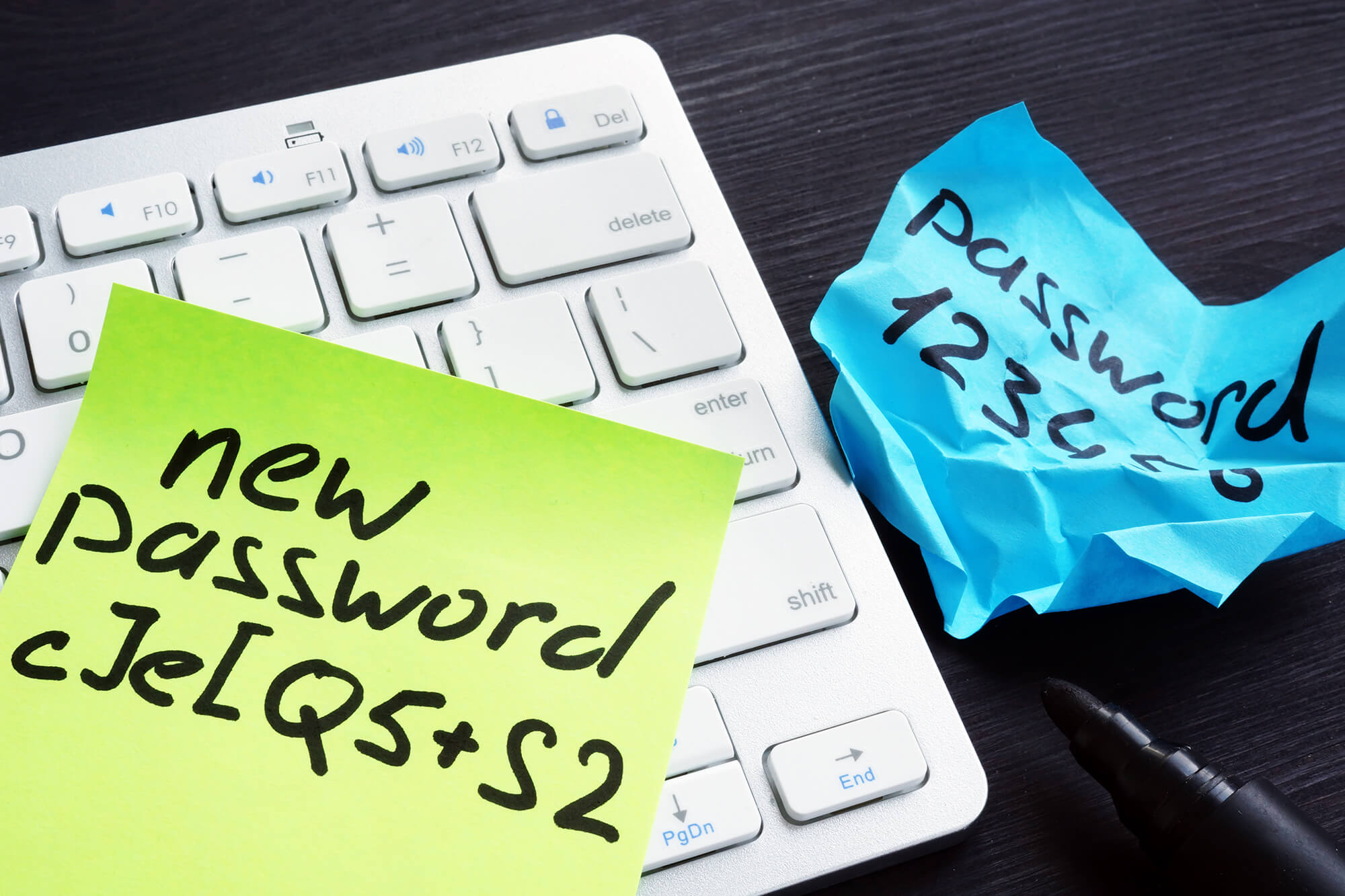
Protect sensitive information with strong, unique passwords, and avoid writing login credentials where others could access them.
From customer information and financial records to internal systems and daily operations, companies rely on technology in countless ways. This cybersecurity guide examines one often-overlooked concern, but first, consider the potential impact a security incident can have. IBM’s 2026 Cost of a Data Breach Report calculated the global average cost of a data breach at $4.99 million.
While costs vary considerably by organization and incident, every cyber incident has the potential to deal a devastating blow to a business. And not every cybersecurity threat comes from an outside hacker. Employees can unintentionally expose their companies to risk.
Here, BCH’s risk management professionals cover the issue of insider threats, along with practical steps for employers and employees alike. It’s all about taking meaningful actions to protect sensitive information, strengthen security and keep business moving when it matters.
What Are Insider Threats and Why Do They Matter?
When most people picture a cyberattack, they imagine an unknown criminal attempting to break into company systems. But risks can also come from within an organization, and they’re more common than many people realize. So, what are insider threats?
Insider threats involve people who have authorized access to an organization’s information, systems or resources and could compromise security, whether intentionally or accidentally. This includes current and former employees, contractors, vendors and other trusted parties. Because these individuals may already have access to sensitive information, risks can be especially difficult to recognize.
Insider threats generally fall into three categories.
- Unintentional Threats: Employees who accidentally expose information, click malicious links, mishandle sensitive files or otherwise create security vulnerabilities.
- Malicious Threats: Individuals who deliberately steal information, misuse access privileges or damage company systems.
- Compromised Insiders: Authorized users whose accounts or credentials are taken over by cybercriminals, giving attackers a way into company systems.
It’s important to note that insider threats aren’t limited to technology departments or employees who regularly handle confidential records. Anyone with access to company email, shared files, devices or online platforms can potentially introduce risk.
Preventing insider threats requires a team effort. Employers must establish appropriate safeguards and provide meaningful training, while employees should understand their responsibilities and remain alert to potential problems. Working together helps protect information, people and operations.
Employee Cybersecurity Training: Reducing Insider Threats
One careless click, misplaced document or weak password can create opportunities for a cybersecurity threat. Fortunately, many common mistakes can be prevented when employees understand what to watch for and how to respond. Effective employee cybersecurity training should reinforce everyday habits that help reduce insider threats. Here are some important practices to share with your team.
- Think Before You Click: Be cautious with unexpected emails, attachments and links, even when they appear to come from familiar contacts. Verify unusual requests through a trusted communication channel.
- Protect Login Credentials: Use strong, unique passwords and multifactor authentication. Never share passwords or allow others to use your accounts.
- Handle Sensitive Information Carefully: Follow company policies when accessing, storing or sharing confidential information. Double-check recipients before sending files or messages.
- Use Approved Technology: Avoid unauthorized software, personal storage devices and unapproved AI tools that could expose company data.
- Keep Devices Secure: Lock computers when stepping away, follow device security requirements and install approved updates promptly.
- Report Suspicious Activity: Alert your IT or security contact immediately if you receive a questionable message, notice unusual account activity or suspect you’ve made a mistake. Don’t attempt to investigate or conceal the issue yourself.
Employees should also understand that reporting a potential problem promptly is always preferable to remaining silent. A supportive workplace culture makes people comfortable speaking up, allowing organizations to respond before minor concerns become major incidents.
BCH Tip: Download our Cybersecurity Essentials sheet for additional guidance you can share with your team related to recognizing risks and strengthening everyday security practices.
Employer Risk Management: Building a Stronger Cybersecurity Culture
Employees play an important role in preventing insider threats, but businesses must provide the structure and resources that make safe practices possible. Effective risk management requires an organized approach that addresses people, technology and company procedures.
To help reduce the likelihood and potential impact of insider threats, consider the following.
- Assess Your Risks: Identify sensitive information, critical systems and potential vulnerabilities. Revisit those assessments whenever operations, technology or business relationships change.
- Establish Clear Policies: Define how company information should be accessed, stored and shared. Make expectations easy to understand and reinforce them through regular communication.
- Limit Access: Give employees and outside partners access only to the systems and information necessary for their responsibilities. Review permissions as roles change and promptly remove access when appropriate.
- Provide Ongoing Training: Reinforce cybersecurity practices throughout the year with reminders, educational materials and realistic examples. Make sure leadership follows the same standards.
- Strengthen Technical Safeguards: Work with qualified IT professionals to maintain security updates, monitor suspicious activity, protect sensitive data and establish secure backups.
- Prepare for Potential Incidents: Develop a response plan that identifies who should be contacted, how suspected threats should be handled and what steps are necessary to support recovery.
Remember, cybersecurity risks are always evolving. New technologies, increasingly sophisticated phishing attempts and changing business practices can introduce exposures that didn’t exist when your policies were first developed. Staying informed about emerging trends and regularly evaluating your safeguards are essential parts of effective risk management.
BCH Tip: Our Insider Threat Prevention and Response Checklist provides a practical framework for today’s companies. Download your copy to help identify opportunities for improvement.
Cybersecurity Threat Prevention and Risk Management Strategy
A cybersecurity threat doesn’t exist in isolation. A single incident can have far-reaching consequences for a business, affecting everything from day-to-day operations to its financial health and reputation. For that reason, cybersecurity should be part of an organization’s broader risk management strategy.
The right risk management professional can help you look beyond individual security measures and consider how cyber exposures fit into your overall risk profile. That includes the following.
- Identifying Vulnerabilities: Pinpointing potential exposures that could leave your business at risk.
- Evaluating Your Overall Risk Profile: Considering how cybersecurity exposures intersect with your operations, financial priorities and other business risks.
- Evaluating Insurance Coverage: Helping ensure your coverage aligns with your company’s cyber risks.
- Preparing for Potential Incidents: Considering the financial and operational impacts of a cyber event and ways to minimize disruption.
At BCH, we understand that staying informed is an important part of staying prepared. We regularly share updates on emerging risks and cybersecurity developments through our social media channels and email communications. When questions arise that are specific to your company, our risk management professionals are always happy to talk through your concerns.
We encourage businesses to review their overall risk management approach annually and schedule additional reviews whenever significant changes occur. As your company evolves and new cybersecurity threats emerge, regular conversations with your risk advisor can help ensure your strategy keeps pace.
October’s Cybersecurity Awareness Month is a timely reminder to evaluate how well your organization looks out for what matters, but meaningful protection comes from the everyday decisions, ongoing education and thoughtful planning that continue long after October ends. Whether you’re concerned about insider threats, reviewing your cybersecurity practices or considering how your insurance and risk management strategies work together, BCH is ready to help. Contact our team to discuss your organization’s needs and take the next step toward stronger protection.