
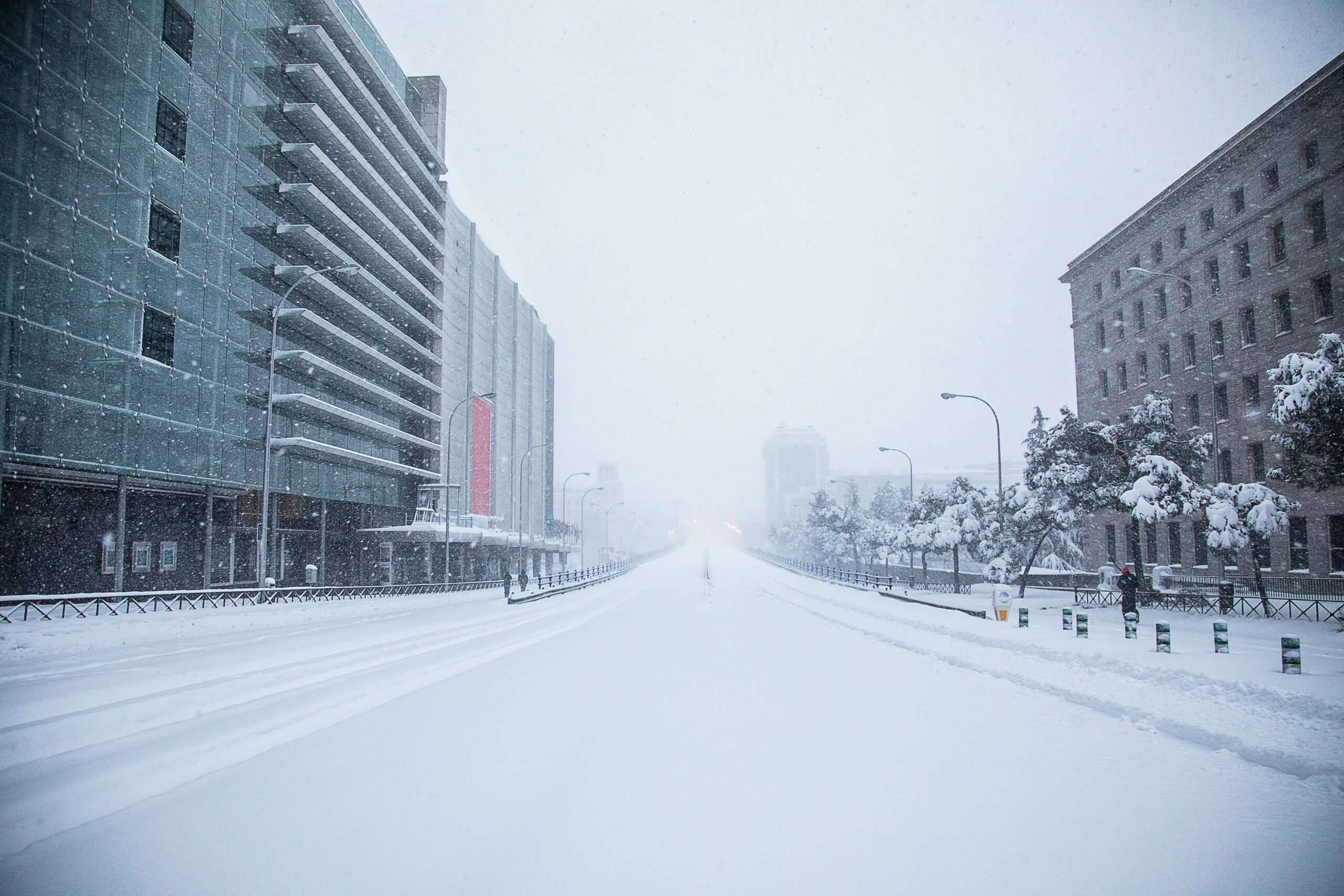
A strategic approach to winter weather safety can help companies protect their people, property and business as a whole.
Winter weather can present serious challenges for individuals and businesses alike. From icy walkways and hazardous roads to power outages and supply chain disruptions, seasonal conditions introduce risks that can impact winter weather safety, productivity and profitability.
The most resilient organizations don’t simply react when a storm hits — they prepare in advance, take smart action throughout the season and plan for continuity when disruptions occur. Here, BCH’s risk management and business insurance professionals walk you through considerations to keep in mind throughout the winter season and beyond. It’s all about helping you protect what matters when it matters.
Winter Storm Safety Starts with Early-Season Preparation
When temperatures begin to drop, winter storm safety should move to the top of every business’s priority list. Early preparation allows companies to reduce exposure, clarify expectations and limit liability before snow, ice or freezing temperatures arrive. Proactive planning also gives teams the confidence to respond quickly and calmly when weather conditions worsen. Here are some simple steps to get you started.
- Monitor and Understand Weather Alerts: Stay informed by tracking National Weather Service advisories such as winter storm watches, winter weather advisories, freeze warnings and blizzard warnings. Share clear guidance with employees on what each alert means and how it may affect operations.
- Establish and Communicate Inclement Weather Policies: Provide employees with a written plan that addresses office closures, remote work expectations and safety procedures. Review these policies at the start of the season and reinforce them when weather threats emerge.
- Prepare the Physical Workplace: Inspect buildings and surrounding areas for potential hazards. Stock non-slip mats, identify areas prone to ice buildup and arrange for snow and ice removal services in advance. If you lease your space, confirm responsibilities with property management before winter weather hits.
- Set Clear Communication Expectations: Determine how updates will be shared during a storm — whether through email, text alerts or internal platforms — so employees know where to turn for timely information. Additionally, ensure team members know how often to check in, and with whom.
Consider the Less Obvious Impacts a Weather Closure Might Have on Operations
Snow, ice and traffic concerns are common when temperatures drop, but they aren’t the only issues that plague businesses. Thinking through the more subtle troubles that come into play with a weather closure can ease stress and help you maintain near-normal operations.
How Will You Handle Employee Pay?
Do you pay your employees when winter weather gives them an unexpected day off? From a legal standpoint, most companies are only required to pay hourly employees for time they actually worked. However, some choose to pay them anyway. Then there are salaried employees who fall elsewhere within the law, often earning a full day’s pay if they worked even a small amount. Determine what’s required of your company — and which, if any, special concessions you plan to make. Incorporate them into official company practices and communicate those policies to team members.
How Will Your Closure Impact Clients?
If you operate a public-facing business such as a boutique storefront or restaurant, although a one-day closure will impact profits, the long-term client effects are minimal. It’s a different story if you provide goods or services other companies rely on to carry out their own work. Think through potential repercussions, steps you can take to minimize disruptions for clients and the best way to communicate with those affected.
What Happens if Your Suppliers Experience Outages?
Widespread winter storms can wreak havoc on businesses at every stage of your supply chain. And while there’s little you can do about raw material and equipment delays, open communication can make a difference. Keep a list of important business contacts, and don’t hesitate to reach out with questions regarding where a particular order stands, estimated delivery times and other details vital to your operational success.
When Cold Conditions Hit: Winter Weather Safety and Liability Risk Reduction
As winter sets in, safety becomes an ongoing operational responsibility. Snow, ice and freezing rain significantly increase the risk of slip-and-fall injuries, falling objects and vehicle accidents — all of which can expose businesses to costly claims and reputational damage. Here are some key considerations for limiting liability and protecting people both on and off your property.
- Prevent Slips and Falls: Keep sidewalks, entryways and high-traffic areas clear of snow, ice and moisture. Use salt or ice melt where appropriate, place slip-resistant mats at entrances and provide umbrella storage to reduce tracked-in water.
- Address Falling Object Risks: Heavy ice and snow can loosen tree branches, signage or building fixtures. Remove icicles, clear snow accumulation near entrances and monitor landscaping before and after storms.
- Protect Employees on the Road: Winterize company vehicles, keep them well maintained and stock emergency supplies. Establish safe driving policies, encourage appropriate winter attire and offer flexible schedules to support safer commutes.
- Use Visible Safety Warnings: Post wet floor signs, closure notices and hazard alerts in high-traffic areas so employees, clients and visitors know when to proceed with caution.
Business Continuity Planning for Winter Disruptions
Even with strong safety practices in place, winter weather can still disrupt operations. Power outages, frozen pipes, transportation issues and supply chain delays are often unavoidable, making business continuity planning crucial. Here is a high-level look at considerations to keep in mind.
- Back Up Critical Data: Secure payroll records, client files and operational data on protected servers or external systems unlikely to be affected by outages.
- Establish Backup Power Solutions: Use battery backups, surge protectors or generators as appropriate to maintain essential systems during power disruptions.
- Prepare for Remote Work: Define who can work remotely, how communication will occur and what tools are required to maintain productivity when travel is unsafe.
- Review and Update Plans Regularly: Revisit your business continuity plan annually — or after major operational changes — to ensure it reflects current risks and capabilities.
Winter weather may be unpredictable, but your response doesn’t have to be. By reinforcing winter weather safety practices, applying proactive risk management strategies and maintaining a strong business continuity plan, businesses can reduce risk, limit liability and protect what matters most. Having a trusted partner such as BCH in your corner can make all the difference.
Our risk management and commercial insurance professionals are here to help you navigate winter conditions and beyond. Whether you’re reviewing preparedness plans, evaluating insurance coverage or strengthening your approach to business continuity, our team is always ready to support you. Feel free to reach out at any time with questions.